K O J I K I
Kojiki
RECORDS OF ANCIENT MATTERS
Japan’s oldest chronicle, in clear modern English with illustrations — from the age of gods to the age of men.
K O J I K I
RECORDS OF ANCIENT MATTERS
Japan’s oldest chronicle, in clear modern English with illustrations — from the age of gods to the age of men.
*Sections marked “Coming soon” will be published in due course.
 Available
Kojiki, Book IAge of the GodsKamiyoFrom the parting of heaven and earth to the descent of the heavenly grandson: Izanagi, Amaterasu, Susanoo and the eight-forked serpent, in twelve chapters.Start reading ▶
Available
Kojiki, Book IAge of the GodsKamiyoFrom the parting of heaven and earth to the descent of the heavenly grandson: Izanagi, Amaterasu, Susanoo and the eight-forked serpent, in twelve chapters.Start reading ▶
 Available
Kojiki, Book IIAge of Humans IBook IIFrom Emperor Jimmu’s eastern campaign to the plague of Sujin, the campaigns of Yamato Takeru, the expedition of Empress Jingū, and Emperor Ōjin. Nine chapters.Start reading ▶
Available
Kojiki, Book IIAge of Humans IBook IIFrom Emperor Jimmu’s eastern campaign to the plague of Sujin, the campaigns of Yamato Takeru, the expedition of Empress Jingū, and Emperor Ōjin. Nine chapters.Start reading ▶
 Available
Kojiki, Book IIIAge of Humans IIBook IIIEmperor Nintoku and the kitchen smoke, the ordeal of boiling water, Yūryaku’s meeting with a god, the succession crisis, and Japan’s first empress. Five chapters.Start reading ▶
Available
Kojiki, Book IIIAge of Humans IIBook IIIEmperor Nintoku and the kitchen smoke, the ordeal of boiling water, Yūryaku’s meeting with a god, the succession crisis, and Japan’s first empress. Five chapters.Start reading ▶
 Coming soon
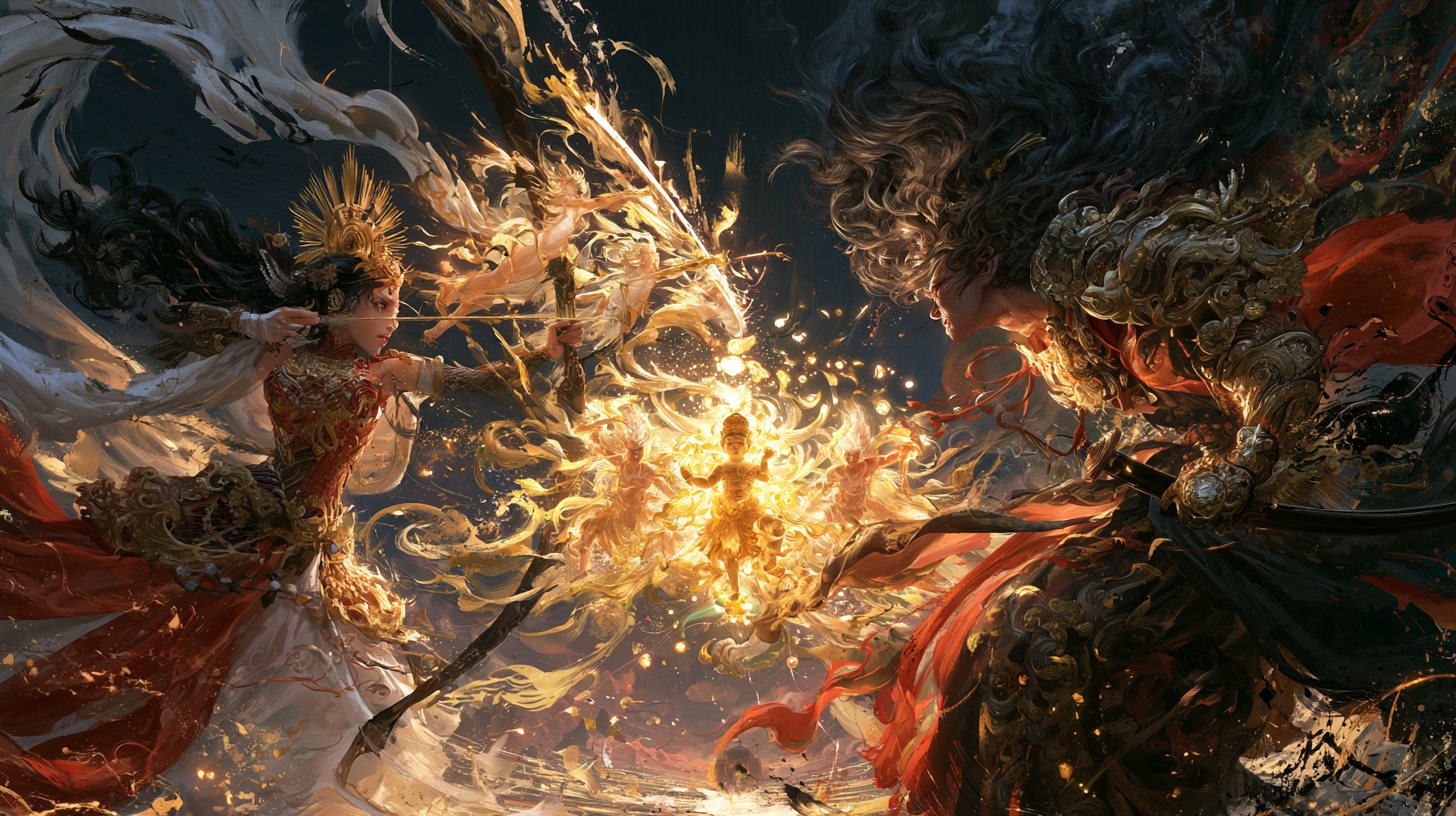
ComparisonKojiki vs. Nihon ShokiThe same myths, told differently. Comparing the Kojiki with the Nihon Shoki and its “one book says…” variant traditions.
Coming soon
ComparisonKojiki vs. Nihon ShokiThe same myths, told differently. Comparing the Kojiki with the Nihon Shoki and its “one book says…” variant traditions.
 Coming soon
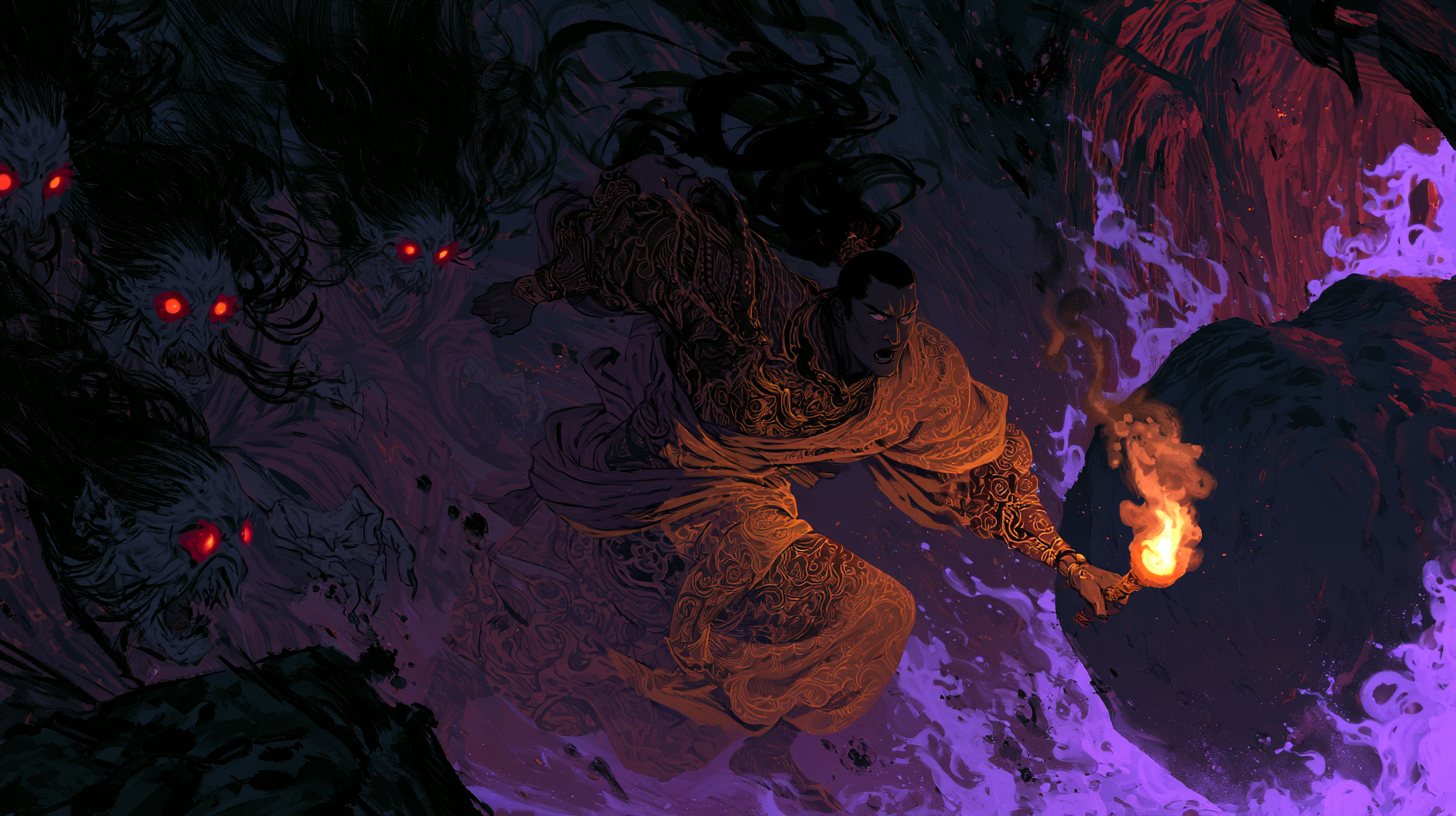
ApocryphaForged Texts & Variant TraditionsTakenouchi Documents, Hotsuma Tsutae and others: what these non-canonical texts claim, and why they were created.
Coming soon
ApocryphaForged Texts & Variant TraditionsTakenouchi Documents, Hotsuma Tsutae and others: what these non-canonical texts claim, and why they were created.
The Kojiki (“Records of Ancient Matters”) is Japan’s oldest chronicle, completed in 712 CE. Hieda no Are memorized the traditions by imperial command, and Ō no Yasumaro compiled them in writing. It consists of three books.
Book I tells of the gods (the Age of the Gods); Books II–III follow the human age from the first emperor, Jimmu. Here we begin with the Age of the Gods in twelve chapters, with more sections to follow.
In 712, early in the Nara period — eight years before the Nihon Shoki (720).