K O J I K I
Age of the Gods
Japan’s Oldest Chronicle
SCROLL
K O J I K I
Japan’s Oldest Chronicle
The heavenly grandson Ninigi descended to the rich Central Land of Reed Plains. His line would lead to the first emperor, Jimmu, as the age of gods passed into the age of men.
Here the curtain falls on the age of the gods.
 Chapter 1 The Parting of Heaven and Earth
 Chapter 2 The Seven Generations of the Age of Gods
 Chapter 3 The Birth of the Land
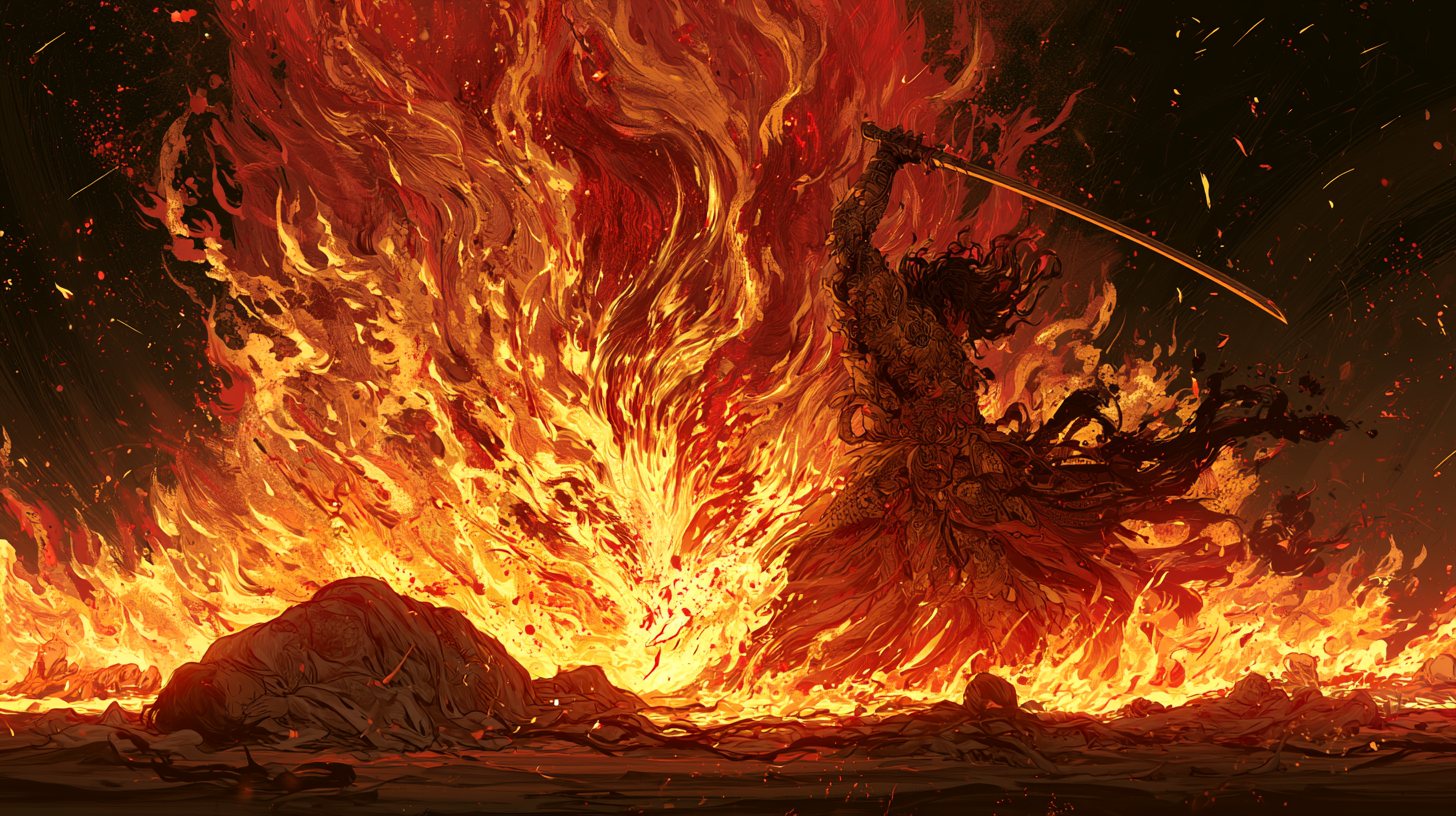 Chapter 4 The Birth of the Gods and the Fire God
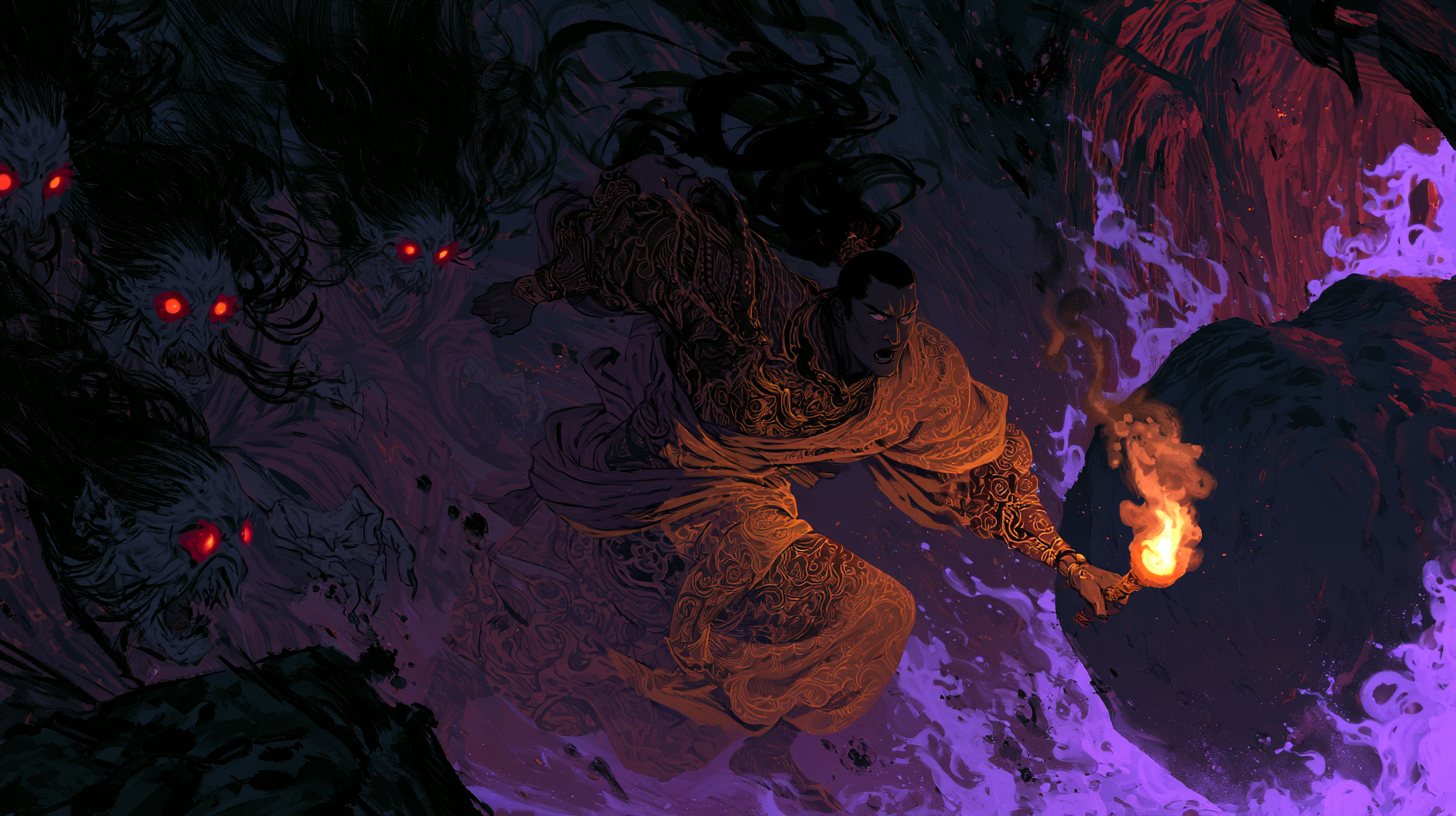 Chapter 5 The Land of Yomi
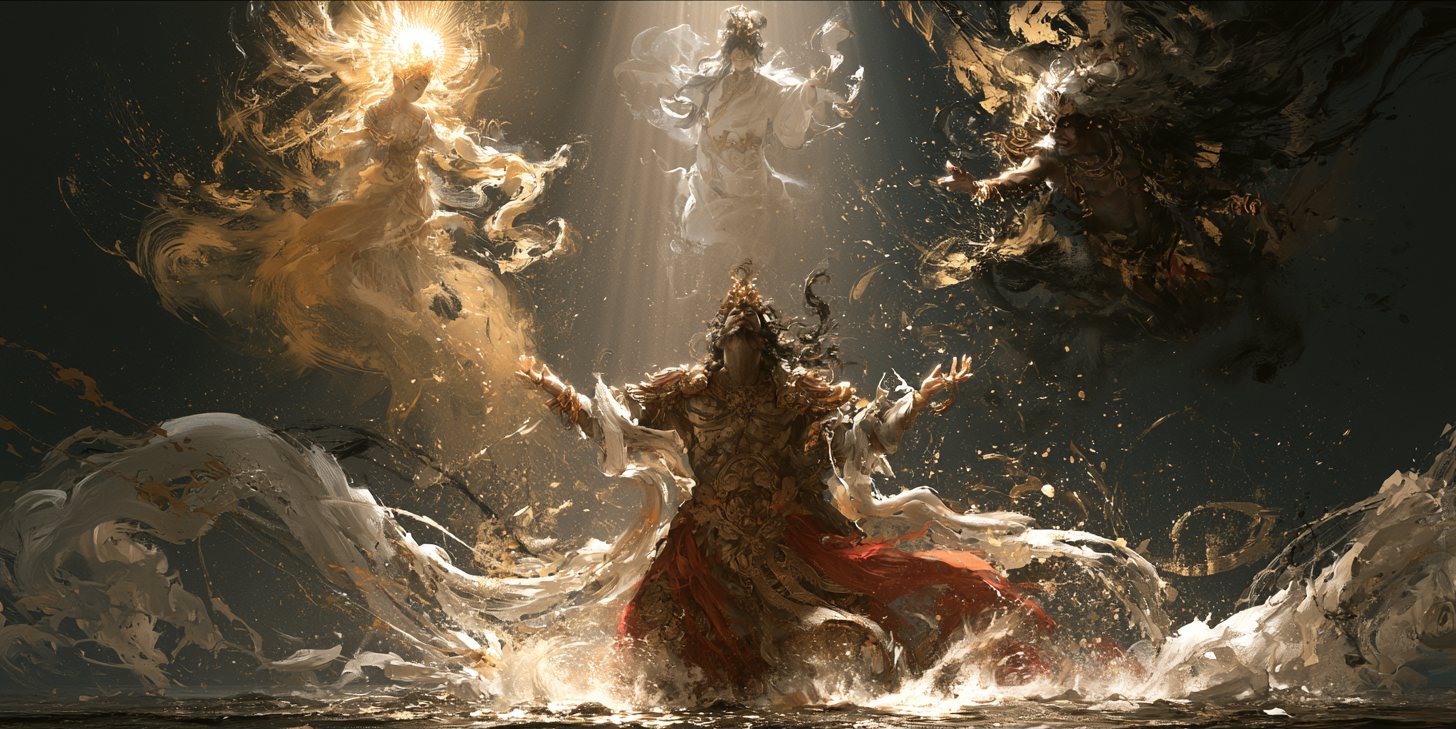 Chapter 6 The Purification and the Three Noble Children
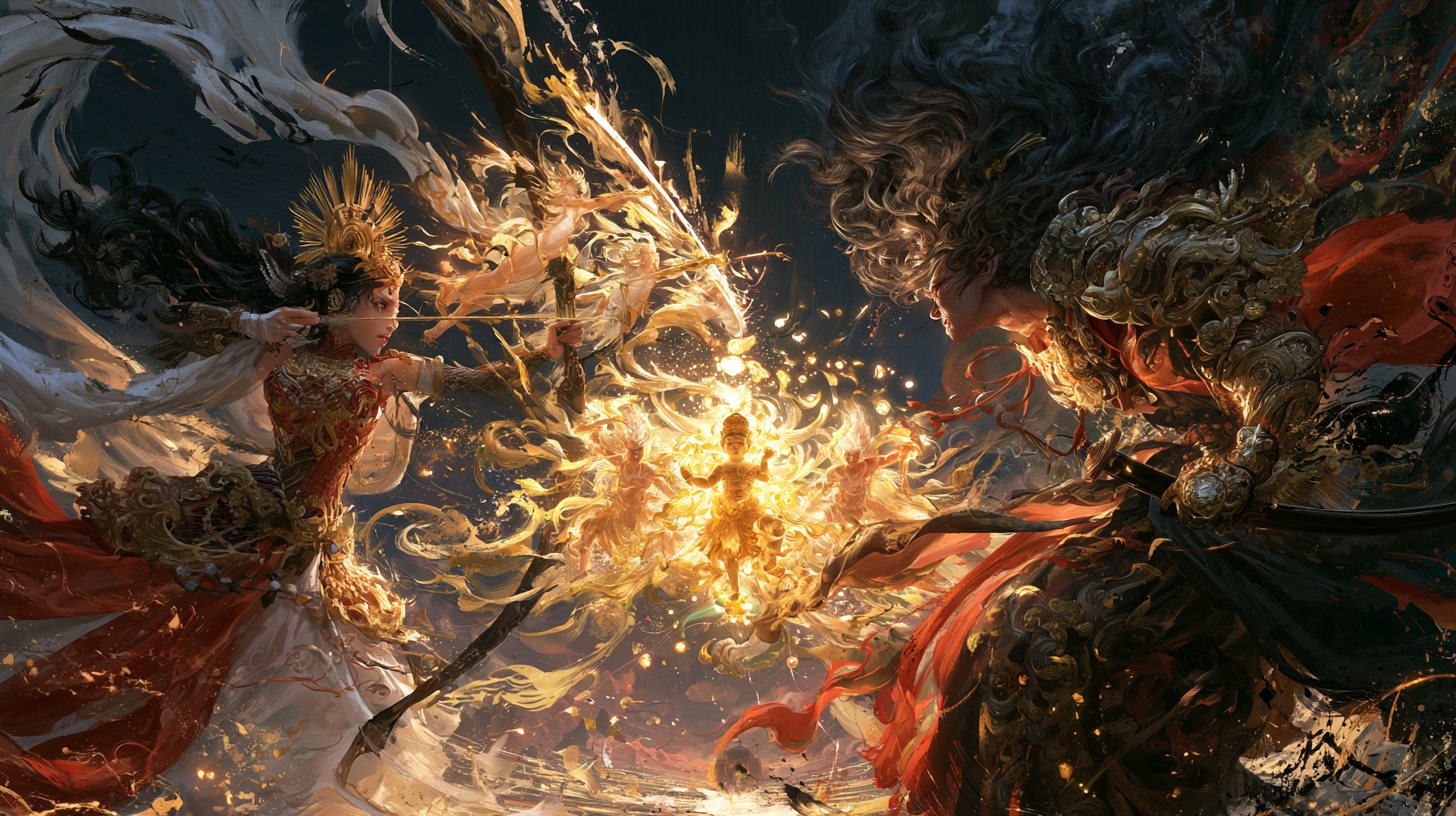 Chapter 7 The Oath (Ukei)
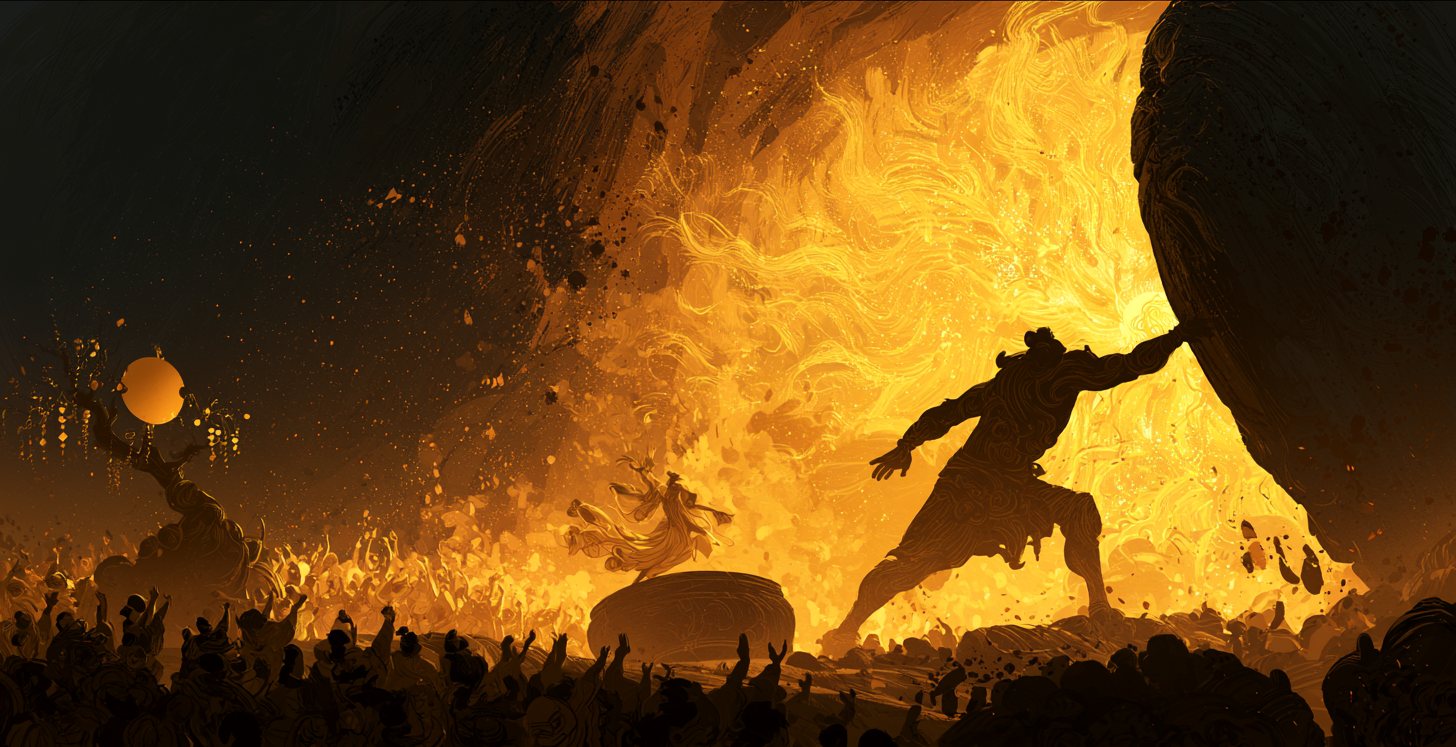 Chapter 8 The Heavenly Rock Cave
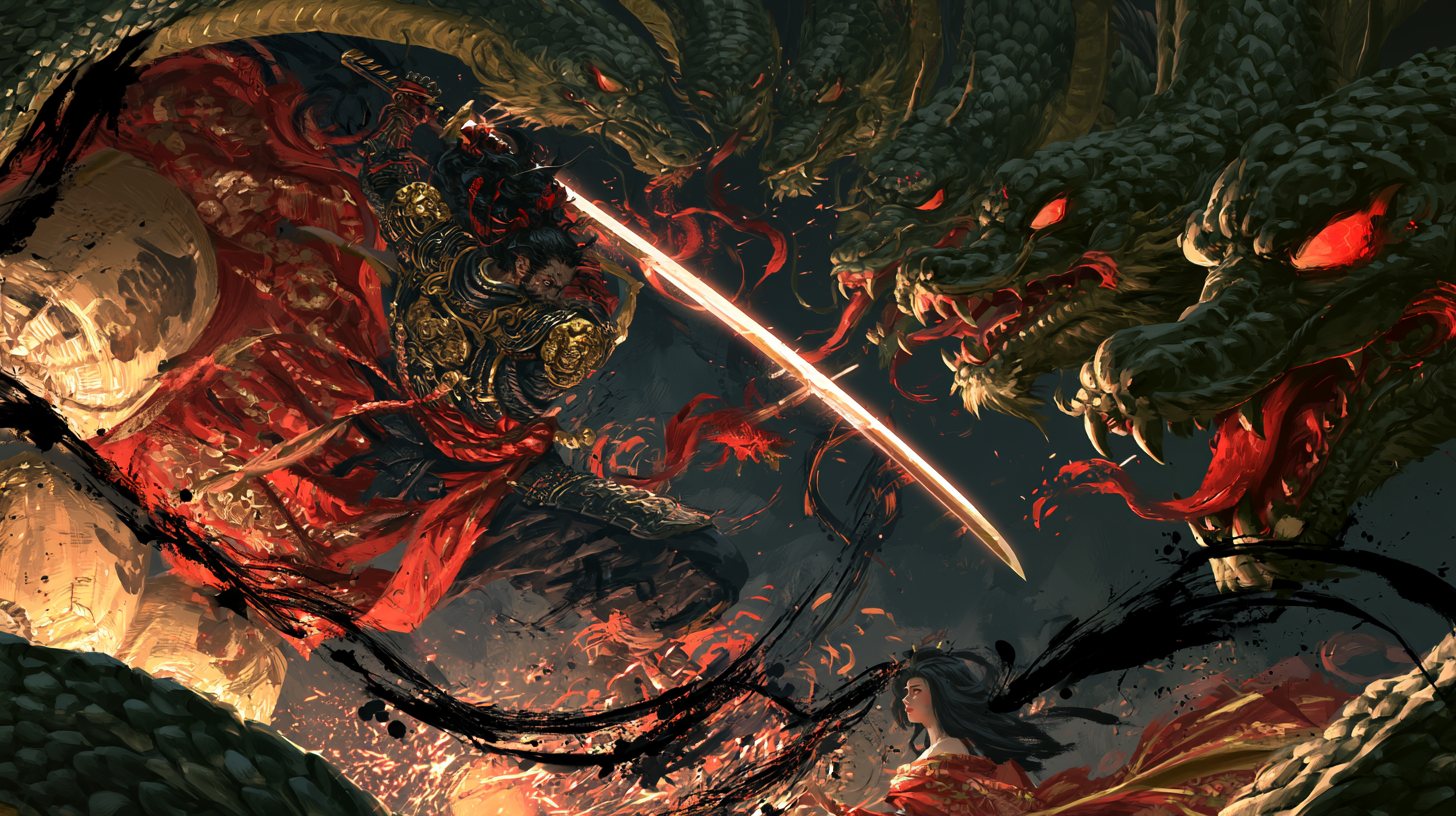 Chapter 9 Yamata-no-Orochi, the Eight-Forked Serpent
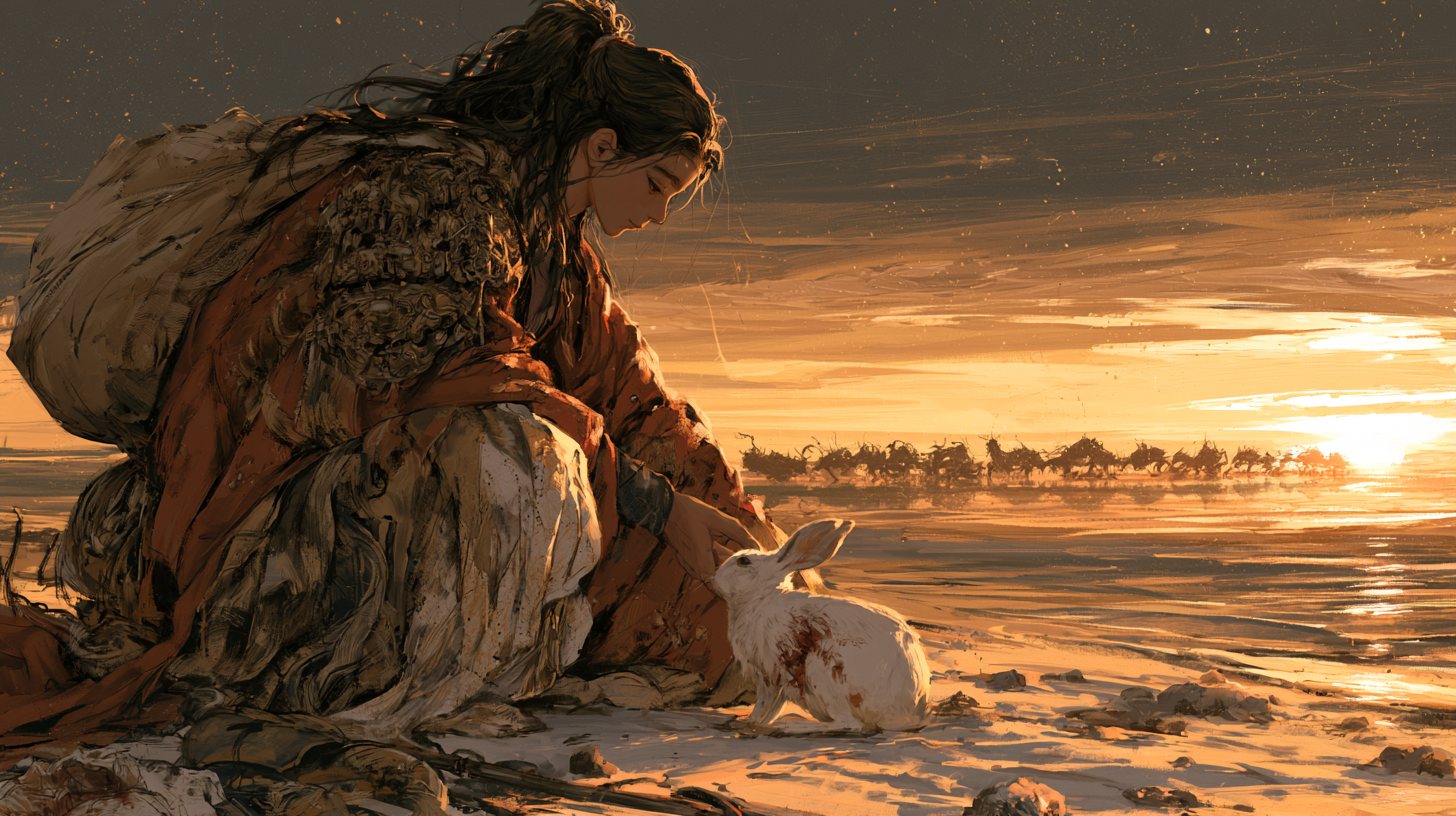 Chapter 10 The White Hare of Inaba
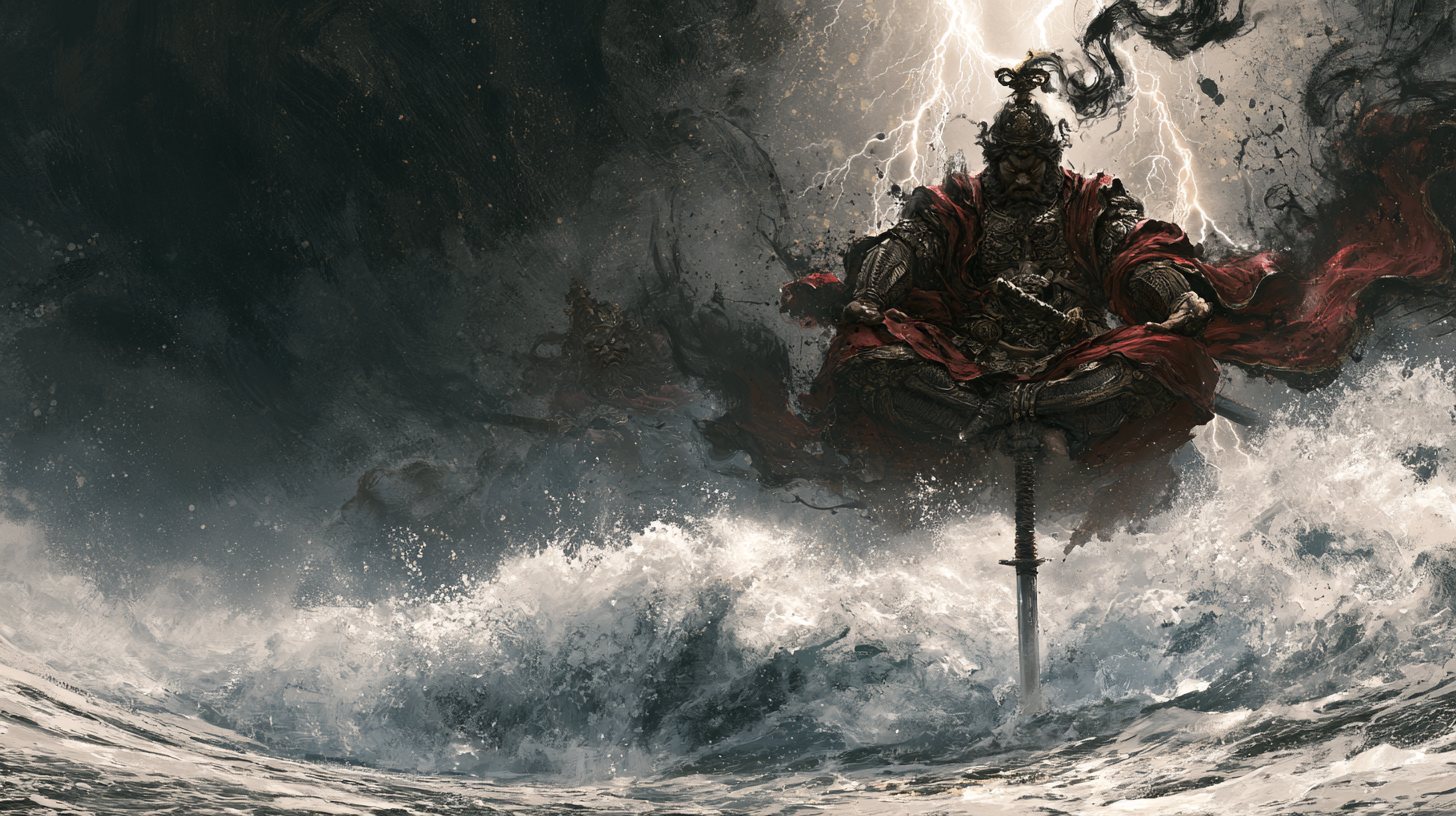 Chapter 11 The Ceding of the Land
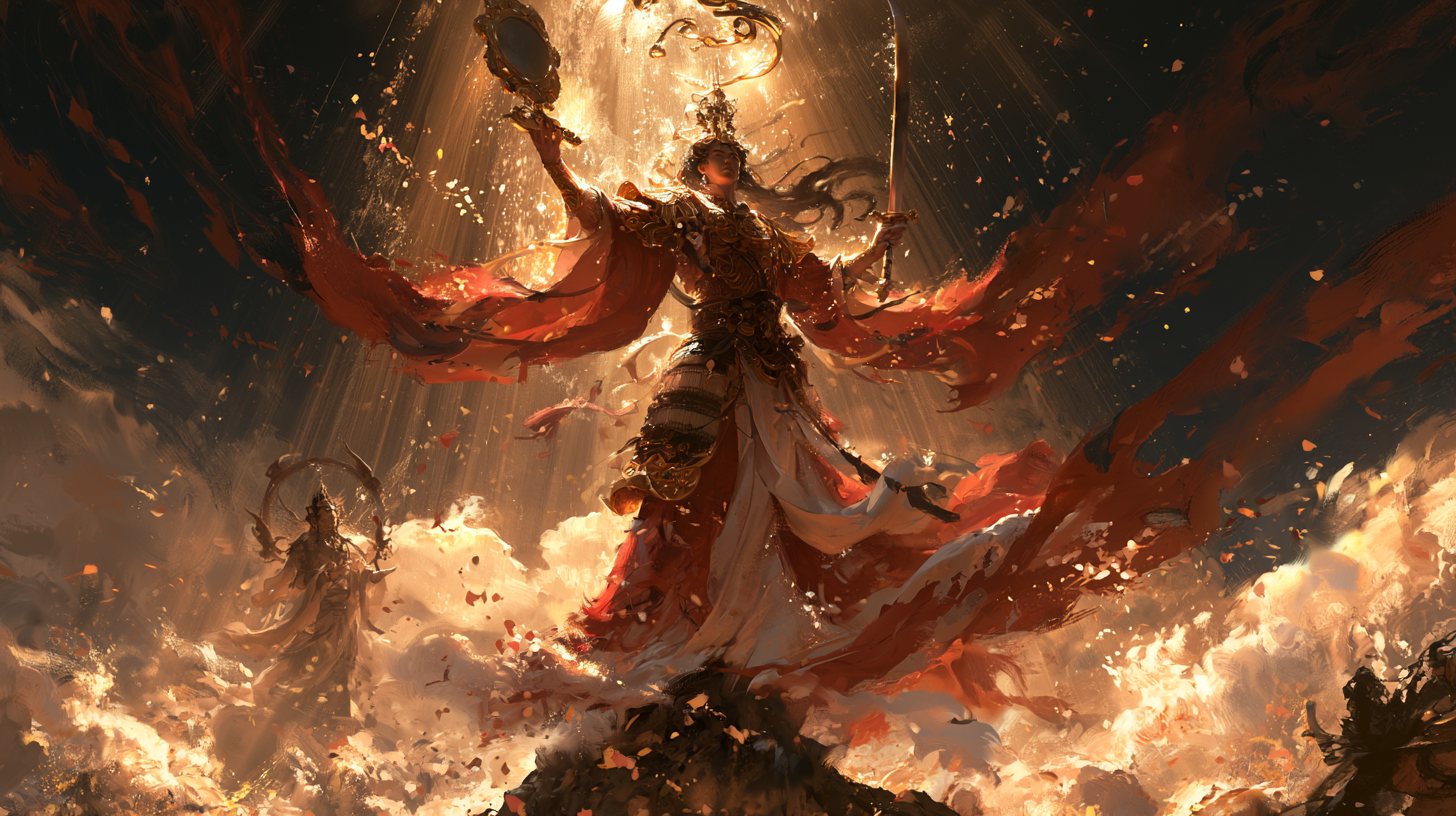 Chapter 12 The Descent of the Heavenly Grandson
The Kojiki (“Records of Ancient Matters”) is Japan’s oldest chronicle, completed in 712 CE. It gathers the myths, legends and genealogies of the gods down to early emperors.
In 712, early in the Nara period – eight years before the Nihon Shoki (720). It is the oldest surviving Japanese book.
Hieda no Are memorized the traditions by imperial command, and Ō no Yasumaro set them down in writing and compiled them.
A defining feature of the Kojiki is that the age of gods flows without a break into the imperial line: the descendants of the sun goddess Amaterasu descend to earth and become the ancestors of the imperial house.
▶ Relationship chart (genealogy) / ▶ Deity index
*This site is an introductory, condensed retelling. Please verify details in the original texts.
Have thoughts or questions about these myths?
Go to the forum ▶